Beacon Colours Explained: Amber, Blue and Who Uses Each in New Zealand
In this guide
In New Zealand, warning lamp colours are controlled by law, and the two that matter in practice are amber, for tractors, agricultural machines and working vehicles such as tow trucks, road maintenance and utility vehicles; and red and blue, which are reserved for emergency vehicles such as police, fire and ambulance. Farm vehicles have no entitlement to any colour other than amber.
The rules sit mainly in the Land Transport Rule: Vehicle Lighting 2004, administered by NZ Transport Agency Waka Kotahi (NZTA), together with NZTA’s rules and guidance for agricultural vehicles and oversize loads. The table below gives the short answer, then each colour is explained in turn. Rules change from time to time, so check the current NZTA wording before you fit anything.
Beacon colours at a glance
| Colour | Who may use it | When it may be lit | Legal basis |
|---|---|---|---|
| Amber | Agricultural vehicles, oversize and slow-moving vehicles, tow and recovery vehicles, road works and road maintenance vehicles, utility service vehicles and other vehicles that present a hazard while working | When the vehicle is a hazard to other traffic or the rules for its category require it, for example oversize or slow-moving travel on the road | Land Transport Rule: Vehicle Lighting 2004; NZTA agricultural vehicle and oversize rules |
| Blue | Emergency vehicles such as Police, Fire and Emergency New Zealand and ambulance services | For their emergency duties | Land Transport Rule: Vehicle Lighting 2004 |
| Green | Not a general warning colour for private or farm vehicles | Not applicable | Check NZTA rules before fitting |
| Yellow | No separate yellow warning beacon category for farm vehicles | Not applicable | Not authorised for farm use |
| Red | Reserved, with blue, for emergency vehicles; red light to the front is not allowed on ordinary vehicles | Not applicable | Land Transport Rule: Vehicle Lighting 2004 |
| Purple, white, other | Not permitted as a warning beacon colour on farm vehicles | Not applicable | Amber is the only warning colour for farm vehicles |
The UK, Australia and other countries have their own lighting rules with different colour arrangements, including green beacons for doctors in Great Britain. Those do not apply on New Zealand roads.
Amber beacons: tractors and working vehicles
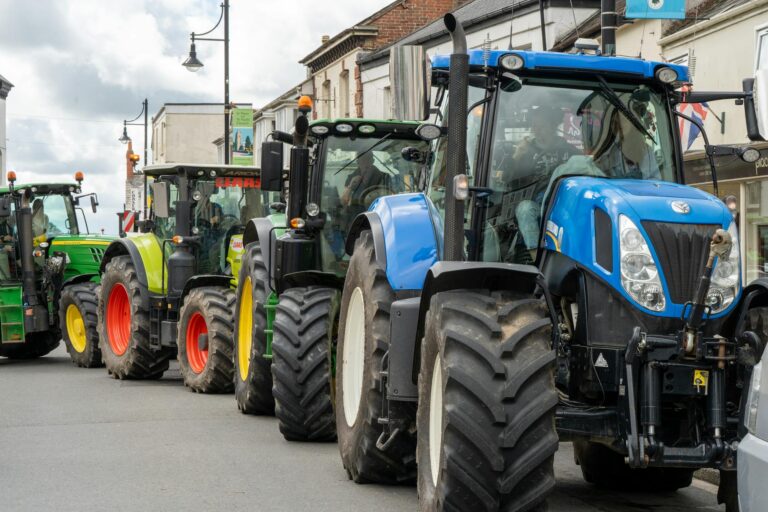
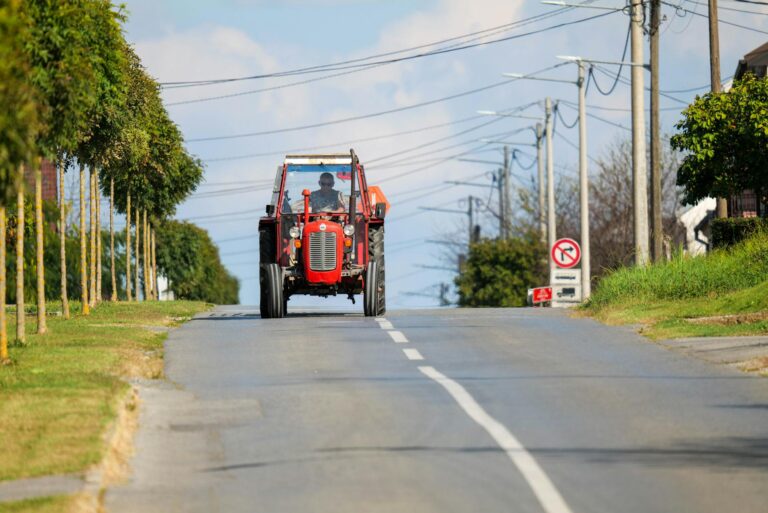
Amber is the warning colour for tractors, farm machinery and vehicles working on or beside the road. It is the only beacon colour farm vehicles may use, and it gives no priority. It tells other drivers to expect a slow-moving, wide or working vehicle and to approach with care.
The vehicles that typically show amber warning lamps include:
- Agricultural tractors and self-propelled agricultural machines
- Tow trucks and recovery vehicles
- Road maintenance vehicles, including mowers, sweepers and gritters
- Road works and traffic management vehicles
- Rubbish and recycling trucks
- Utility service vehicles (power, telecommunications, gas) while working at the roadside
- Oversize and pilot vehicles
Amber warning lamps are meant for vehicles that present a hazard while working. A contractor’s ute is not entitled to run an amber beacon on the road just because it is used around the farm, unless it is doing a job that the rules cover.
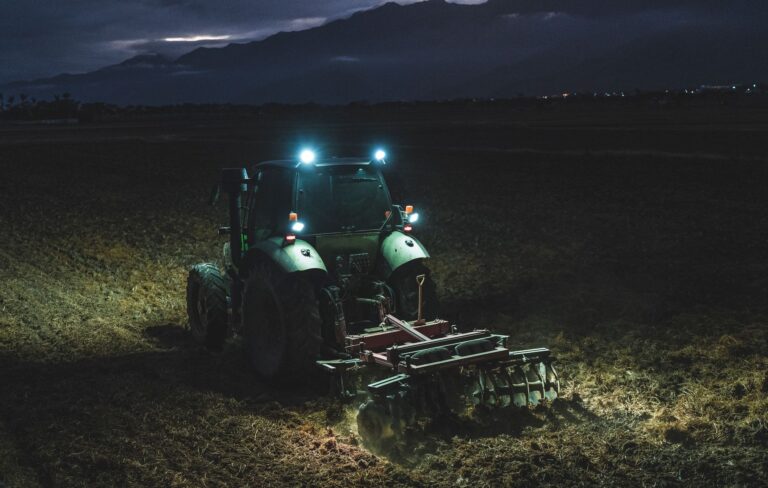
For agricultural vehicles, NZTA requires amber flashing warning lamps in a number of situations, such as when the vehicle is over certain width limits, is towing an oversize implement, or is operating slowly on the road. The exact trigger depends on the vehicle’s width, speed and what it is towing, so check NZTA Waka Kotahi’s agricultural vehicle guidance for your machine. Many farmers simply run the beacon whenever the tractor is on a public road, which is good practice. See our guides to amber beacon meaning and the amber flashing beacon on a dual carriageway for the detail.
What colour beacon does a road gritter use?
A road gritter uses an amber beacon. Vehicles gritting, sweeping and mowing roadsides are road maintenance vehicles and use amber, as do road works vehicles.
What colour beacon does a breakdown recovery truck use?
A tow truck or recovery vehicle uses an amber beacon. These vehicles are a hazard while loading at the roadside and use amber warning lamps.
Blue beacons: emergency vehicles only
Blue warning lamps, and the red and blue combination used on New Zealand emergency vehicles, are reserved for emergency services. A blue beacon on a farm vehicle is not legal, and you should not fit a blue lookalike either, wired up or not.
Who can use a blue beacon?
Blue and red flashing lamps are used by:
- New Zealand Police
- Fire and Emergency New Zealand
- Ambulance services
- Other emergency vehicles recognised under the rules
Power and intensity limits for warning lamps are set by the approval standard the lamp is built to, so buy an approved lamp rather than relying on a wattage figure.
Is the New Zealand list the same as the UK list?
No. The UK list is different and includes groups such as mountain rescue, mine rescue and lifeboat launch vehicles. Only vehicles recognised under New Zealand rules may use emergency warning lamps here, so do not assume an overseas entitlement carries over.
Green beacons: not a farm colour
In Great Britain a green beacon shows a doctor attending an emergency. That arrangement does not carry over to New Zealand, and green is not a warning colour available to private or farm vehicles. Check NZTA’s current vehicle lighting rules before fitting any green lamp to a road vehicle.
Do farm vehicles use green beacons?
No. Farm vehicles in New Zealand use amber. Some construction and quarry sites use green lights on plant as a site signal, for example to show the operator’s seat belt is fastened, but that is a site rule and has no meaning on the public road.
Yellow beacons
Some airside vehicles use yellow beacons. New Zealand road rules do not give farm vehicles a separate yellow warning beacon, so keep any such beacon off on a public road. Front fog lamps that use selective yellow are a separate matter and do not cover beacons.
Red beacons
Red is not a beacon colour for ordinary vehicles. The lighting rules do not allow red light to the front of an ordinary vehicle, and red flashing lamps are reserved for emergency vehicles. None of this changes for farm vehicles.
Purple beacons
Purple is not a permitted beacon colour on New Zealand roads. Amber is the only warning colour farm and working vehicles may use, and the rules limit rear-facing light to red with a few exceptions. Purple beacons are sold for show and some overseas uses, but fitting one to a vehicle used on the road is not legal.
What colour beacon can I use?
For a tractor, self-propelled machine or recovery truck, the answer is amber, and only amber. For a farm ute, the answer is usually none, unless it is being used for a working duty that the rules cover. On a tractor, mount the beacon high, where possible on the roof on the centre line, so it can be seen from all round, and add a second beacon if a trailer or implement blocks the view. NZTA’s agricultural vehicle guidance sets out the visibility requirements for warning lamps, so check it for the exact mounting rules for your machine.
When buying, look for ECE R65 approval, which proves the colour and intensity have been tested, and R10 for electromagnetic compatibility. E-marked lamps are accepted in New Zealand. Our ECE R65 beacons guide explains the marks, and the tractor beacons buying guide covers LED or halogen, mounts and voltage. Browse our amber tractor beacons or the wider universal beacons range.
Penalties for the wrong colour
Fitting or using a lamp that breaks the vehicle lighting rules is an offence, and Police can issue an infringement notice for non-compliant lighting. A vehicle with a wrong-colour warning lamp will also fail a Warrant of Fitness or Certificate of Fitness inspection. If you buy a tractor or ute with the wrong colour beacon fitted, remove it, and on a tractor fit an approved amber beacon before using it on the road.
Frequently asked questions
What is the meaning of a green beacon?
In Great Britain a green beacon means a doctor attending an emergency. New Zealand has no such arrangement for private vehicles, and green is not a warning beacon colour available to farm vehicles here.
Can a farmer use a blue beacon?
No. Blue and red flashing lamps are reserved for Police, Fire and Emergency New Zealand, ambulances and other recognised emergency vehicles. Farm vehicles must use amber.
What colour is an ambulance beacon in New Zealand?
Red and blue. New Zealand emergency vehicles, including ambulances, use red and blue flashing warning lamps.
Are white or clear beacons legal?
No. White flashing lights built into some light bars must not be used on the road as warning lamps, and rear white lights are restricted because they can look like an approaching vehicle. Amber is the warning colour for farm vehicles.
Do amber beacon vehicles have priority?
No. Amber beacons are warnings only. You do not need to give way or pull over, but you should slow down and approach with care, especially when meeting a tractor on a narrow rural road.