Amber Beacon Meaning in New Zealand: What a Flashing Amber Beacon Means
In this guide
- What does a flashing amber beacon mean?
- What should you do when you see a flashing amber beacon?
- Which vehicles use flashing amber beacons?
- When must a tractor use an amber beacon?
- How does amber compare with other beacon colours?
- What makes an amber beacon road legal?
- Is it illegal to use an amber beacon?
- Frequently asked questions
A flashing amber beacon warns other road users that the vehicle showing it is slow-moving, stopped, oversize or working on or beside the road, such as a tractor, road maintenance truck, tow truck or pilot vehicle. It gives the vehicle no priority and no right of way: you do not have to pull over, but you should slow down, keep well back and pass only when it is safe.
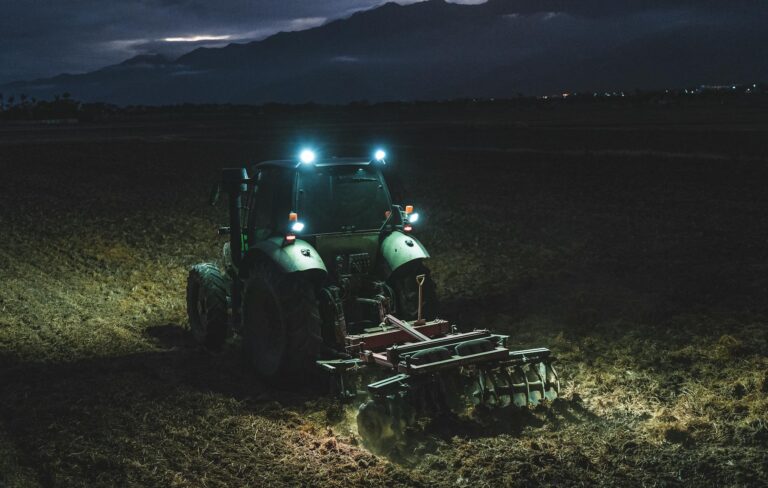
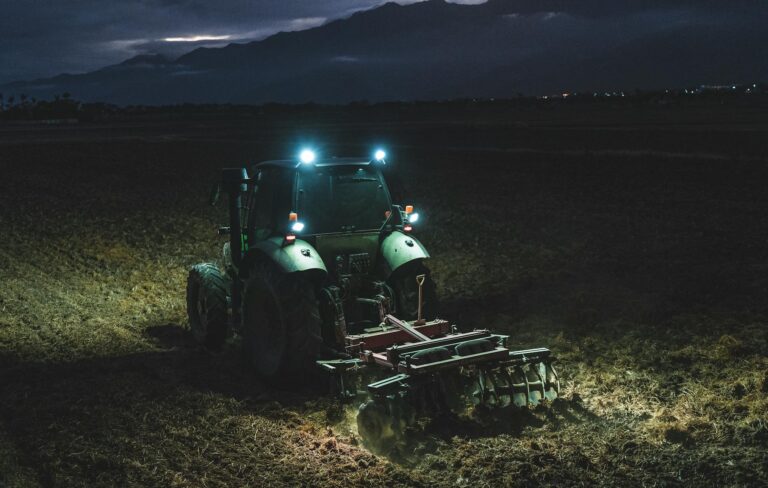
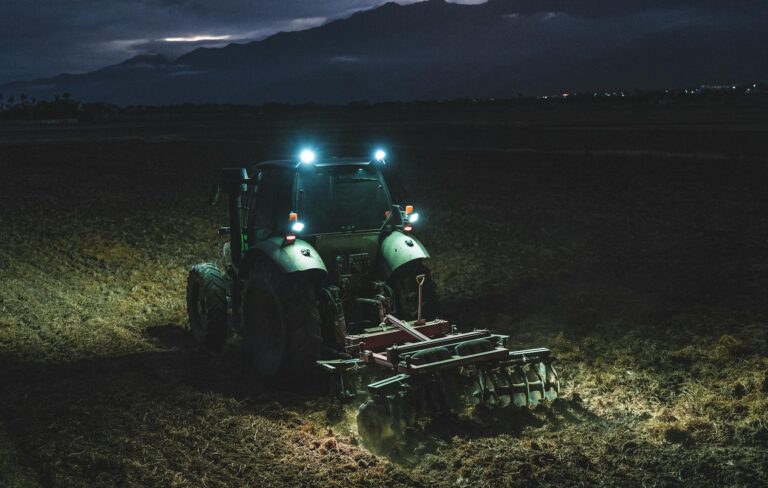
On New Zealand rural roads amber beacons are an everyday sight, because tractors and other agricultural vehicles are expected to use them in a range of situations, particularly when they are oversize or travelling well below the speed of other traffic. The rest of this guide explains which vehicles may use amber beacons, how the NZ rules treat tractors, how amber compares with blue and red, and what to look for in a road-legal amber beacon.
What does a flashing amber beacon mean?
A flashing amber beacon means “slow-moving, working or stationary vehicle, approach with care”. It is a warning, not an instruction. It does not mean the vehicle is on an emergency call, and it does not ask you to stop or give way. It tells you three things:
- The vehicle ahead may be travelling far below the speed of other traffic. Many tractors have a design speed of 40 km/h or less.
- The vehicle may be wider or longer than normal, or partly blocking your lane.
- The vehicle may be stopped, working or about to pull out, turn or stop without much warning.
Many farmers run the beacon on every road trip whether or not the rules strictly require it for that journey, so the beacon tells you little about the particular load. Treat every amber beacon as a slow vehicle until you can see otherwise.
What a flashing amber beacon on a stationary vehicle means
On a stationary vehicle, an amber beacon marks a hazard: a tow truck at a breakdown, a road maintenance vehicle closing a lane, a contractor’s hedge or verge cutter on the roadside, a power or gas crew at the scene of their work, or a rubbish truck collecting. Expect people on foot around the vehicle, open doors, cones and equipment in the road.
What should you do when you see a flashing amber beacon?
When you see a flashing amber beacon, slow down early and plan to be behind a much slower vehicle. Practical steps:
- Ease off early. Closing speed is the danger. A car at 100 km/h closes on a tractor at 30 km/h at 70 km/h, roughly 19 metres every second.
- Drop back. Stay far enough behind a tractor and trailer that you can see past it and the driver can see you in the mirrors.
- Watch for turning and stopping. Tractors turn into paddock gateways and farm tracks, road maintenance trucks change lanes, tow trucks pull onto verges.
- Overtake only with a clear view. A tractor with a silage wagon or mounted implement is longer than it looks from behind, so allow for the extra length before you commit.
- Do not pull over or stop as you would for flashing blue and red lights. That can cause a collision behind you.
Which vehicles use flashing amber beacons?
In New Zealand, amber flashing warning lamps are controlled by the Land Transport Rule: Vehicle Lighting 2004, which limits them to vehicles that have a genuine need to warn other road users. The common groups are:
| Vehicle type | Everyday examples |
|---|---|
| Agricultural vehicle | Tractors, self-propelled sprayers, combines, forage harvesters, telehandlers used as agricultural vehicles |
| Road maintenance vehicle | Gritters, snow ploughs, verge mowers, road sweepers |
| Road works vehicle | Line markers, road repair crews |
| Towing and recovery vehicle | Tow trucks |
| Oversize vehicles and pilot vehicles | Overdimension loads and the vehicles escorting them |
| Utility and service vehicles | Power, gas and telecommunications vans, while working at the roadside |
Private cars driven normally on the road have no reason to show an amber beacon. Check NZTA Waka Kotahi’s current guidance if you are unsure whether your vehicle qualifies.
Amber beacons on farm vehicles
Agricultural vehicles have their own treatment under NZTA’s rules, and amber warning lamps feature in it, especially for oversize machines and slow-moving operation. A combine on the road at transport width on a narrow rural road is exactly the hazard the beacon exists to warn about.
When must a tractor use an amber beacon?
The requirement depends on the machine and the trip. NZTA’s agricultural vehicle rules call for amber warning lamps in various situations, most notably when the vehicle or its load is wider than the standard limits and when it is operating at low speed on the road. The exact thresholds, and any extra conditions such as pilot vehicles or hazard panels for very wide machines, are set out in NZTA Waka Kotahi’s agricultural vehicle guidance.
Points to bear in mind:
- Width. Oversize agricultural vehicles are the clearest case where a beacon is expected. The wider the machine, the more conditions apply.
- Speed. A tractor travelling well below the speed of surrounding traffic is a hazard on any open road, and a beacon is the accepted way to warn of it.
- Mounting. Fit the beacon high, ideally on the roof on the tractor’s centre line, so that it can be seen from all directions.
- Good practice. Many farmers and contractors simply run the beacon on every road journey. It costs nothing and removes any doubt.
Very wide self-propelled machinery may also need pilot vehicles and signage. For more on fast roads, see our guide to the amber flashing beacon on a dual carriageway. For every situation where farm vehicles need beacons, see when amber beacons are legally required on tractors.
Do tractors need a beacon on quiet rural roads?
It depends on the width of the machine and how it is being operated, not on how quiet the road is. Check NZTA Waka Kotahi’s agricultural vehicle guidance for the exact requirement for your machine, and if in doubt, switch it on.
What about tractors faster than 40 km/h?
Faster tractors can still be wide or much slower than other traffic, so the same considerations apply. A beacon is never a substitute for the correct headlamps, tail lamps and indicators, which every tractor used on the road at night must have.
How does amber compare with other beacon colours?
The main warning lamp colours you will see on New Zealand roads are amber, blue and red:
| Beacon colour | Who may use it | What it means to you |
|---|---|---|
| Amber | Tractors, agricultural vehicles and the working vehicles listed above | Hazard or slow vehicle, approach with care |
| Blue and red | Police, fire and ambulance services and other authorised emergency vehicles | Emergency, let it pass safely |
Ordinary vehicles must not be fitted with blue or red flashing lights. Purple, white and other colours are not general-purpose warning beacons. The full detail is in our guide to beacon colours explained.
What makes an amber beacon road legal?
An amber beacon is road legal in New Zealand when it is fitted to a vehicle allowed to show amber, is mounted where it can be seen and meets a recognised lamp standard:
- Height: mounted high enough to be seen over the vehicle and any load.
- Position: where possible on the roof, on the vehicle’s centre line.
- Visibility: seen from all round the vehicle.
- Standard: approved to a recognised standard, such as UN ECE (E-marked), SAE or Australian Design Rules.
Make sure the beacon can be seen from all round. If a high trailer or load hides the cab beacon from behind, fit another beacon further back. E-marked lamps are accepted in New Zealand, which is why the approval marks matter when you buy.
ECE R65 approval
ECE R65 is the UN regulation for special warning lamps. An R65 mark shows the beacon has been tested for colour, intensity at set angles and flash behaviour. It comes in 2 classes: Class 1 beacons have one level of intensity, and Class 2 beacons have two levels, a brighter day setting and a dimmer night setting. Look also for an R10 mark, which covers electromagnetic compatibility and matters on tractors with GPS and ISOBUS. Our ECE R65 beacons guide explains how to read the marks.
LED or halogen
Rotating halogen beacons use an H1 bulb (55 W at 12 V, 70 W at 24 V) and a motor-driven reflector, and draw a lot of current for what they do. LED beacons have no moving parts, draw a fraction of the current, and usually offer several flash patterns, which is why most new tractors and replacements now use them. Browse our amber tractor beacons or go straight to LED tractor beacons.
Mounting and voltage
Tractor beacons fit on a DIN pole, a flexi DIN pole that bends on contact with branches and door frames, a magnetic base or a fixed bolt-on base. Most tractors run 12 V, while many trucks and some larger machines run 24 V. Many LED beacons are multi-volt and run on either, but halogen beacons are voltage-specific. The wider range of road and site beacons is in our universal beacons category.
Is it illegal to use an amber beacon?
Fitting or using an amber beacon on a vehicle with no reason to show one is not permitted, and utility vehicles should only use theirs while working. For a tractor in a situation where the agricultural vehicle rules call for a beacon, the opposite applies: not showing one is the problem. An amber beacon gives the driver no exemption from speed limits, traffic signals or any other traffic law. A private car with an amber beacon used for show is breaking the rules.
Frequently asked questions
What is a flashing amber beacon?
A flashing amber beacon is a lamp that sends a flashing or rotating amber light all the way round the vehicle. It marks a slow-moving, wide, stopped or working vehicle and tells other drivers to approach with care.
Do I have to pull over for a flashing amber beacon?
No. You give way to emergency vehicles showing flashing blue and red lights where you safely can. For an amber beacon, slow down, keep your distance and overtake only when it is safe.
Does every tractor in New Zealand need an amber beacon?
Not in every situation. NZTA’s agricultural vehicle rules require amber warning lamps in various cases, such as oversize or slow-moving operation. Check NZTA Waka Kotahi’s agricultural vehicle guidance for your machine, and many farmers simply run one on every road trip.
What does an amber light mean on a dashboard?
An amber warning light on a vehicle dashboard is a different thing: it flags a fault or reminder that needs checking soon, while red means stop safely. An amber beacon is the roof-mounted warning light covered in this guide.
Can I fit an amber beacon to my car or van?
Only if the vehicle is used for a purpose that needs one, such as towing and recovery, road works, road maintenance, piloting oversize loads or utility work at the roadside. A private car used normally has no reason to carry one.